Tsukimi Explained: Why Japan Celebrates the Moon (Even When It's Hidden)
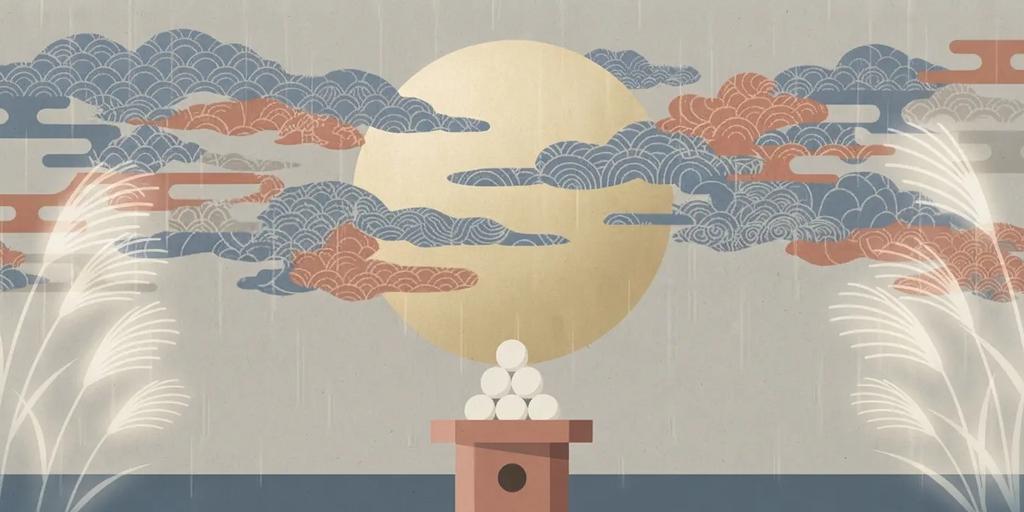
Every year in late September, Japanese convenience stores and fast-food chains transform. You will suddenly see "Tsukimi burgers" topped with round fried eggs, soft daifuku mochi, and packaging decorated with rabbits.
Many people know Tsukimi simply as Japan’s "moon-viewing festival," where people eat dango dumplings and look up at the full moon. But that basic explanation leaves out the most interesting part of the tradition: Japanese has words for the moon when it is hidden, raining, late, or still waiting to rise.
In fact, the Japanese language has specific, poetic words for a moon you cannot see. Understanding these words reveals a deeper relationship with nature that goes far beyond simply looking at the sky.
Table of Contents
The Rich Language Behind One Moon
If you look at a Japanese calendar in autumn, you will find an astonishing variety of names for what seems like the exact same event. This reflects how Japanese culture views the moon through multiple lenses — as a calendar marker, a harvest indicator, and an object of poetic beauty.
The foundational terms every Japanese learner should know include:
- Tsukimi (月見) / Otsukimi (お月見): Meaning "moon viewing," this compound bundles both the casual activity and the entire seasonal celebration.
- Jūgoya (十五夜): Literally "the fifteenth night," which marks one of the central dates of traditional moon-viewing on the 15th night of the eighth month in the traditional lunisolar calendar.
- Chūshū no Meigetsu (中秋の名月): Literally “the beautiful/famous moon of mid-autumn,” referring to the moon on the 15th night of the eighth month. Moon-viewing was introduced from China and became a courtly pastime among the aristocracy during the Heian period.
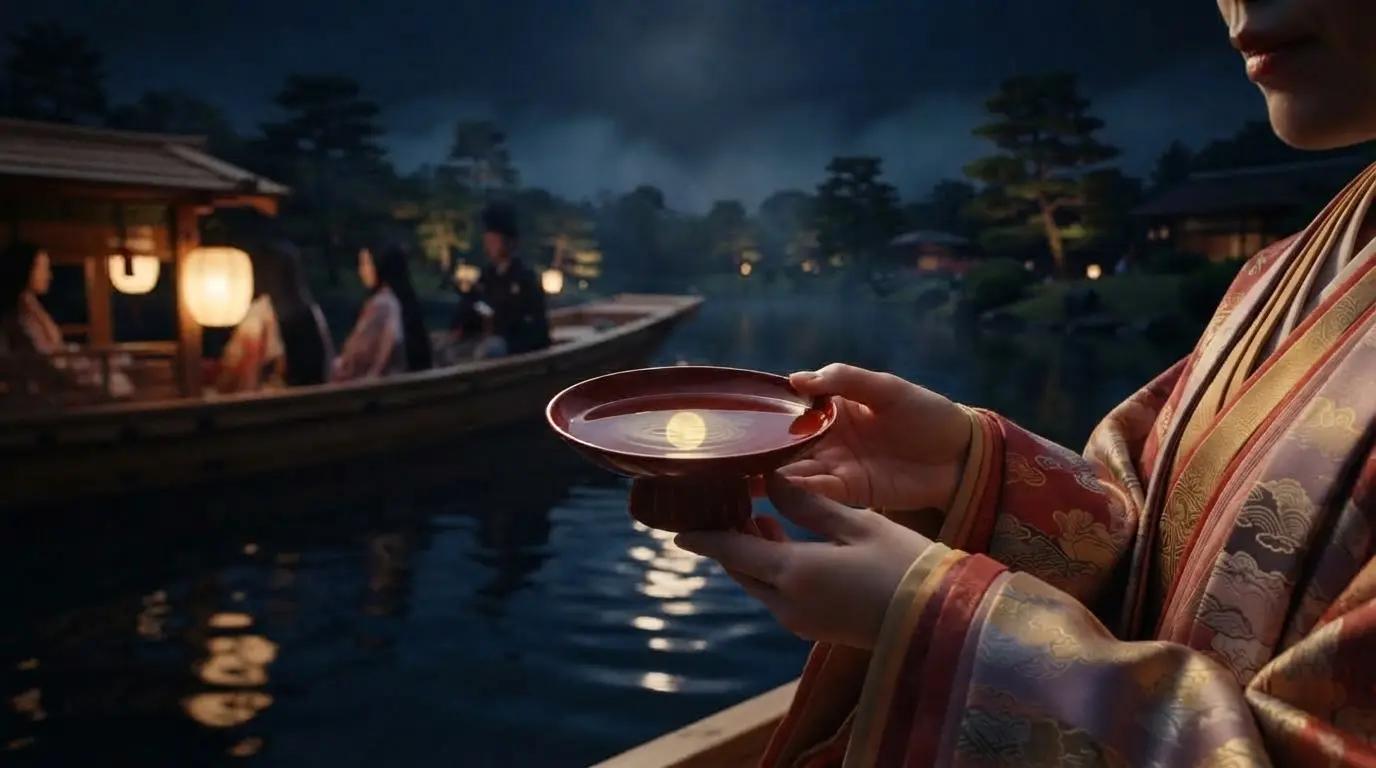
While Tsukimi began in the Heian period as an elegant gathering for aristocrats who enjoyed music, poetry, and sake aboard boats, it spread to the general public during the Edo period and took on a stronger focus as a harvest celebration. Because of this deep connection to agriculture, the moon also takes on names based on the seasonal crops offered in gratitude:
- Imo-meigetsu (芋名月): "Potato Harvest Moon" (offering taro or sweet potatoes)
- Mame-meigetsu (豆名月): "Bean Harvest Moon" (offering edamame)
- Kuri-meigetsu (栗名月): "Chestnut Harvest Moon"
Interestingly, Japan also observes a second moon-viewing night roughly a month later called Jūsan'ya (十三夜), or "the thirteenth night." Traditionally, celebrating only the first moon without observing the second on Jūsan'ya was called Katami-zuki (片見月) or Katatsukimi(方月見), meaning "one-sided moon viewing," and was considered bad luck. This custom of honoring two distinct moonlit nights is considered a distinctly Japanese tradition.
Seeing the Unseen: Why Japan Honors Hidden Moons
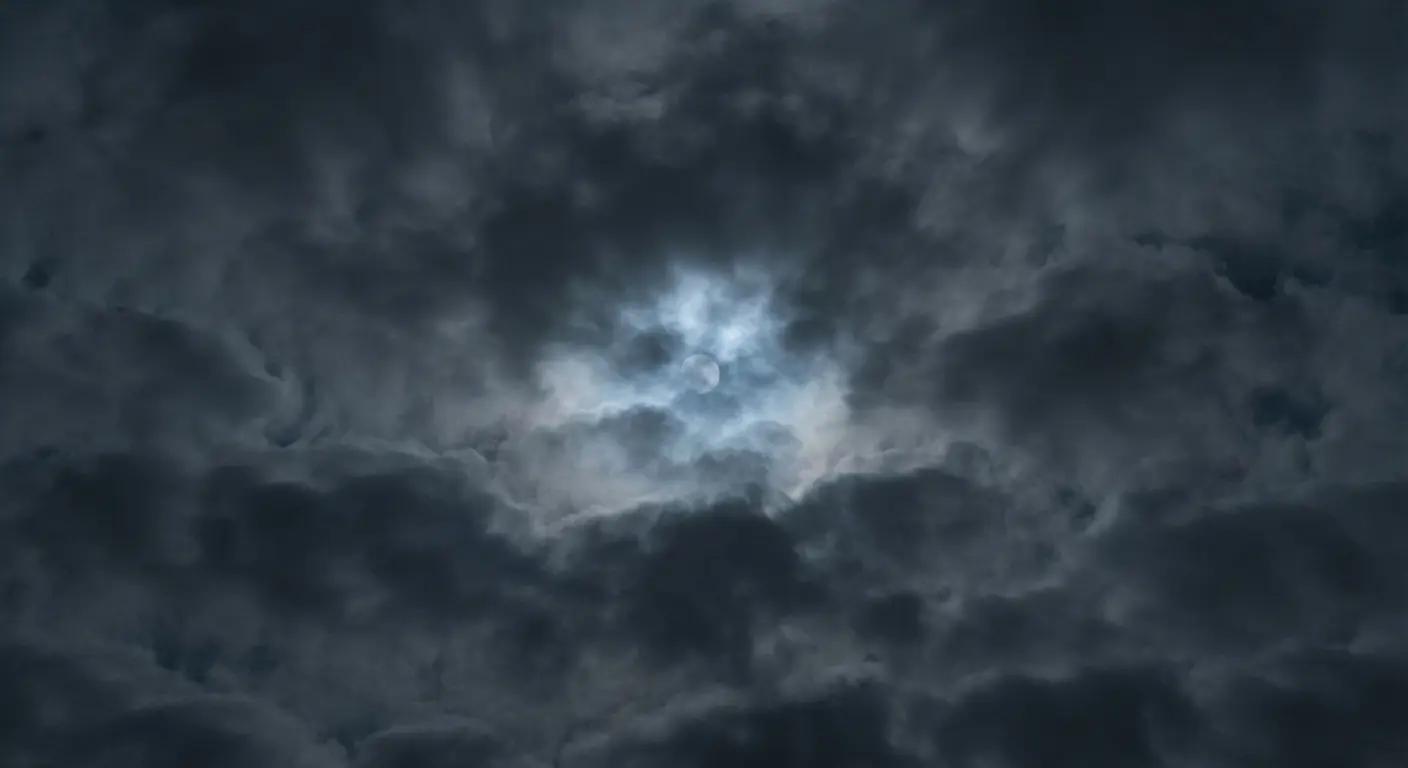
So what happens if autumn rains pour down or thick clouds cover the sky on Tsukimi night? The festival is not canceled. Instead, Japanese culture embraces the weather by assigning a distinct linguistic identity to the hidden moon:
- Mugetsu (無月): Meaning "no moon." It refers specifically to the Harvest Moon when it is completely hidden behind clouds.
- Ugetsu (雨月): Meaning "rain moon." It refers specifically to the Harvest Moon when it is obscured by autumn rain.
As noted in traditional Japanese Haiku Saijiki (歳時記), ugetsu is not viewed as a failure or disappointment. Instead of giving up, people look up at the soft, pale glow radiating through the clouds, knowing that the bright full moon is still there just out of sight. Rather than treating the unseen moon simply as an absence, traditional Japanese poetry and seasonal culture could appreciate the atmosphere created by the rain and the moon hidden behind it.
This deep sense of connection also shows in how Japanese names the waning moon. The night immediately following Jūgoya is called Izayoi (十六夜), coming from an ancient verb meaning "to linger or hesitate," because the moon rises somewhat later than the night before. Subsequent nights are then named after how human beings wait for it to appear:
- Tachimachi-zuki (立待月): The "standing-wait moon" (traditionally associated with the 17th night, when people would wait standing for the moon to rise)
- Imachi-zuki (居待月): The "sitting-wait moon" (traditionally associated with the 18th night, when people would wait sitting for the moon to rise)
- Nemachi-zuki (寝待月): The "lying-down-wait moon" (traditionally associated with the 19th night, when people would wait lying down for the moon to rise)
These names remind us that Tsukimi is not a passive spectator event. It is an ongoing relationship of patience and appreciation between humans and nature.
Tsukimi vs. Other East Asian Harvest Festivals
English explanations often simplify Tsukimi as "Japan’s Mid-Autumn Festival." While it shares ancient lunar roots with China’s Mid-Autumn Festival (中秋節) and Korea’s Chuseok (추석), the central focus in Japan is subtly different.
In China, the festival centers around family reunions and symbolic foods like mooncakes under the round full moon. In Korea, Chuseok is a major holiday associated with family gatherings, ancestral rites, traditional customs, and returning to one's hometown.
Japan’s Tsukimi is quieter, more diffuse, and strongly focused on seasonal aesthetics. Rather than massive family travel, Tsukimi lives on as a poetic mindfulness of the changing seasons — and a celebration flexible enough to appreciate the moon even when it is hidden by clouds or rain.
Modern Tsukimi: From Ancient Tradition to Fast Food

Today, Tsukimi’s symbolism thrives in modern Japanese consumer culture.
Every autumn, fast-food outlets and convenience stores launch special Tsukimi menus featuring teriyaki burgers topped with round fried eggs that look like the full moon, as well as moon-shaped daifuku and yellow roll cakes. You will also see packaging adorned with Usagi (rabbits), stemming from the folklore (rooted in the Buddhist Jataka tales) that a rabbit lives on the moon pounding mochi rice.
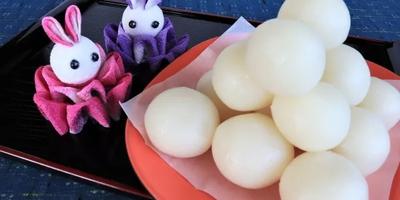
Because Tsukimi follows the traditional lunisolar calendar, its date on the modern calendar shifts every year. In 2026, Jūgoya falls on September 25, while Jūsan'ya follows roughly a month later on October 23. In fact, the Jūgoya is not always an astronomically perfect full moon. In 2026, the actual full moon occurs two days later, on September 27. This gap occurs because the traditional lunisolar calendar calculates the "15th night" based on the month's start date rather than the exact hour of the full moon. Yet, this slight mismatch reflects the true heart of Tsukimi: it has never been about demanding astronomical perfection, but about pausing to appreciate the moon's seasonal presence as it is.
Whenever autumn arrives, even if rain hides the night sky, remember the word ugetsu (雨月). Look up at the soft light behind the clouds and take a moment to enjoy the hidden moon, just as people in Japan have done for centuries.
Categories
Related Articles
Momiji-gari: Why Japan "Hunts" Autumn Leaves

花見 – Cherry Blossoms in Historical and Modern day Japan

節分 What is Setsubun?