ジブリ – Studio Ghibli Anime Titles in Japanese

Hayao Miyazaki and Studio Ghibli have created iconic, well-loved films for decades. While many fans know these movies by their official English releases, their original Japanese titles often tell a slightly different story.
English titles frequently focus on main characters or direct plot points, whereas Japanese titles tend to include subtle linguistic nuances, poetic imagery, and cultural background that can get lost in translation.
Quick Reference: Studio Ghibli Movie Titles in Japanese
Here is a quick breakdown of popular Studio Ghibli films with their original Japanese titles, romaji, and literal English translations:
| English Title | Japanese Title | Romaji | Literal Meaning |
|---|---|---|---|
| Spirited Away | 千と千尋の神隠し | Sen to Chihiro no Kamikakushi | Sen and Chihiro's Spiriting Away |
| My Neighbor Totoro | となりのトトロ | Tonari no Totoro | Totoro Next Door |
| Princess Mononoke | もののけ姫 | Mononoke Hime | Monster/Spirit Princess |
| Howl's Moving Castle | ハウルの動く城 | Hauru no Ugoku Shiro | Howl's Moving Castle |
| Kiki's Delivery Service | 魔女の宅急便 | Majo no Takkyūbin | Witch's Express Home Delivery |
| Castle in the Sky | 天空の城ラピュタ | Tenkū no Shiro Rapyuta | Castle in the Sky Laputa |
| Ponyo | 崖の上のポニョ | Gake no Ue no Ponyo | Ponyo on the Cliff |
| Nausicaä of the Valley of the Wind | 風の谷のナウシカ | Kaze no Tani no Naushika | Nausicaä of the Valley of the Wind |
| The Boy and the Heron | 君たちはどう生きるか | Kimitachi wa Dō Ikiru ka | How Do You Live? |
| Pom Poko | 平成狸合戦ぽんぽこ | Heisei Tanuki Gassen Ponpoko | Heisei Tanuki Battle Ponpoko |
Table of Contents
Ghibli Movie Titles, Meanings, and Cultural Backgrounds
1. Spirited Away – 千と千尋の神隠し

Spirited Away was released in 2001. It’s Japanese Title is 千と千尋の神隠し(sen to chihiro no kamikakushi). This translated directly to The Spiriting Away of Sen and Chihiro.
The two names, Sen are the two names the main character was called. Chihiro is a Japanese name and Sen is one way of pronouncing the 千 Character. This Kanji means a thousand.
So the first part of the title is pretty straight forward. The second part, 神隠し needs a bit more explaining. The word is a compound of the word 神(kami) meaning god or spirit and 隠す(kakusu) which is the verb to hide.
The word comes originally from the concept of someone entering the sacred realm and disappearing. So, pretty much the whole plot of the movie.
Kamikakushi in everyday speech usually refers to someone’s sudden, unexplained disappearance. Especially children who wander into the mountains or forest and don’t return. If you are interested you can actually rent or buy the Japanese language version of Spirited Away on Amazon .
2. My Neighbor Totoro - となりのトトロ

My Neighbor Totoro in Japanese is となりのトトロ(tonari no totoro). となり is a word that means next to. It is also used to refer to the house next to another house. So, the title can mean My Neighbor Totoro or even Totoro Next to me.
3. Princess Mononoke - もののけ姫
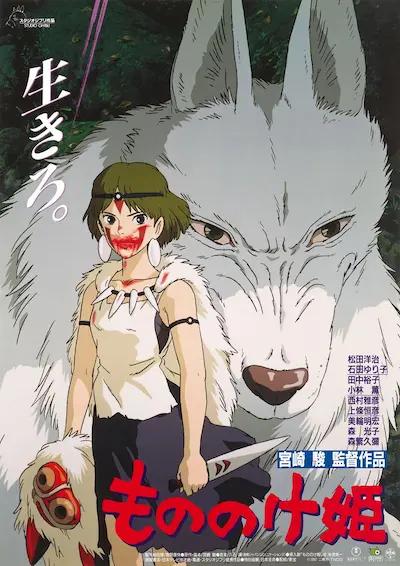
In English, the film is known as Princess Mononoke, treating "Mononoke" as a proper name. In Japanese, however, the title is もののけ姫 (Mononoke Hime).
The word もののけ (mononoke) comes from folklore, combining 物 (mono) (spirit) and 怪 (kai) (supernatural). Unlike a typical Western "monster," a mononoke is a vengeful spirit or natural force born when nature is harmed by humans.
Calling San the Mononoke Hime means she is the "Princess of the Vengeful Forest Spirits"—a fierce guardian fighting alongside the enraged gods of the wilderness.
The title uses soft Hiragana (もののけ) instead of dark Kanji (物の怪) to make it feel atmospheric and poetic rather than overly terrifying.
4. Howl’s Moving Castle - ハウルの動く城
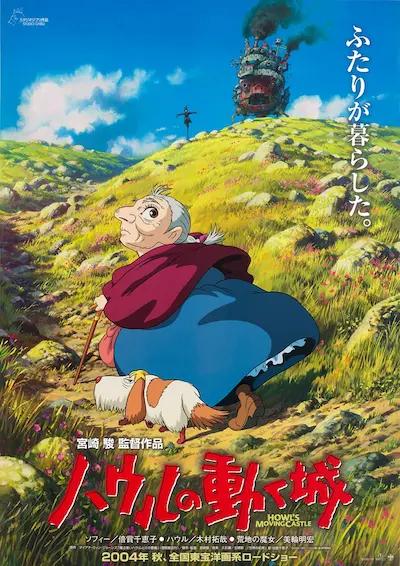
In English, the title is Howl’s Moving Castle, which is a direct translation of Diana Wynne Jones's original fantasy novel title. In Japanese, however, the film is titled ハウルの動く城 (Hauru no Ugoku Shiro).
The title combines ハウル (Hauru), the Japanese transliteration of "Howl," with 動く (ugoku), meaning "to move" or "moving," and 城 (shiro), meaning "castle."
What makes the title particularly unique is the choice of the verb 動く (ugoku). In Japanese, ugoku implies physical movement, walking, or operating (like a machine) rather than just being mobile. While "Moving Castle" in English might sound like a magical or floating fantasy construct, the Japanese verb ugoku emphasizes tangible, mechanical movement—like a machine operating or a creature physically walking.
5. Kiki's Delivery Service - 魔女の宅急便
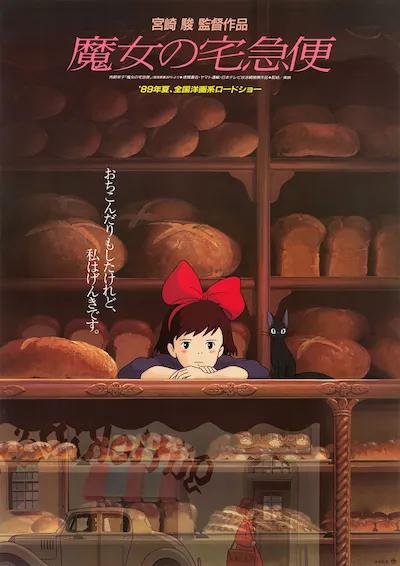
In English, the film is known as Kiki’s Delivery Service, focusing on the main character and her job. In Japanese, however, the title is 魔女の宅急便 (Majo no Takkyūbin).
The title combines 魔女 (majo), meaning "witch," with 宅急便 (takkyūbin), which literally translates to "home express delivery."
The interesting fact behind the title is the word 宅急便 (takkyūbin). While English speakers might view it as a generic term for delivery, Takkyūbin is actually a registered trademark of Yamato Transport, one of Japan's most famous door-to-door courier services (recognizable by their black cat logo!). In fact, Studio Ghibli needed formal permission from Yamato Transport to use the word in the film's title, which serendipitously led to Yamato sponsoring the movie.
6. Castle in the Sky - 天空の城ラピュタ

天空の城ラピュタ(Tenkū no Shiro Rapyuta) is the Japanese name for Castle in the Sky. First, ラピュタ is just the name of the floating city, Laputa. 天空の城 translates then into Castle in the Sky. 天空(Tenkū) means sky and 城(Shiro) means castle.
7. Ponyo - 崖の上のポニョ

Next film we have from Studio Ghibli is Ponyo. The full Japanese title is 崖の上のポニョ(gake no ue no ponyo) or Ponyo on top of the cliff.
In English, the title is Ponyo on the Cliff by the Sea, which is a near-literal translation of the original Japanese title: 崖の上のポニョ (Gake no Ue no Ponyo).
The title breaks down into 崖 (gake) meaning "cliff," 上 (ue) meaning "on" or "top," and ポニョ (Ponyo), the name given to the magical goldfish-girl by the young boy Sosuke.
"Ponyo" is not a traditional Japanese name, nor is it borrowed from a foreign language. Hayao Miyazaki created the name based on the Japanese sound symbolic word (onomatopoeia) ぽにょぽにょ (ponyo-ponyo), which describes something soft, squishy, and pleasantly bouncy to the touch.
8. Nausicaä of the Valley of the Wind - 風の谷のナウシカ
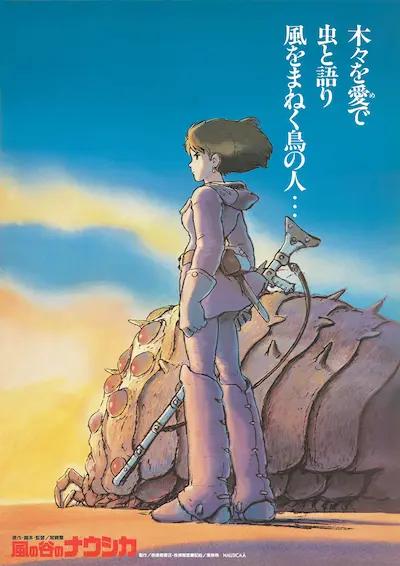
In English, the film is known as Nausicaä of the Valley of the Wind, which is a faithful translation of the original Japanese title: 風の谷のナウシカ (Kaze no Tani no Naushika).
The title breaks down into 風 (kaze) meaning "wind," 谷 (tani) meaning "valley," and ナウシカ (Naushika), the Japanese transliteration of the heroine's name, Nausicaä.
In Japanese, connecting words with の (no) creates a layered, atmospheric structure. Starting with 風の谷 (Kaze no Tani) anchors the entire world-building around the element of wind before Nausicaä is even named. Here, the "wind" isn't mere scenery—it symbolizes life, navigation, and environmental balance within a poisoned land.
9. The Boy and the Heron - 君たちはどう生きるか
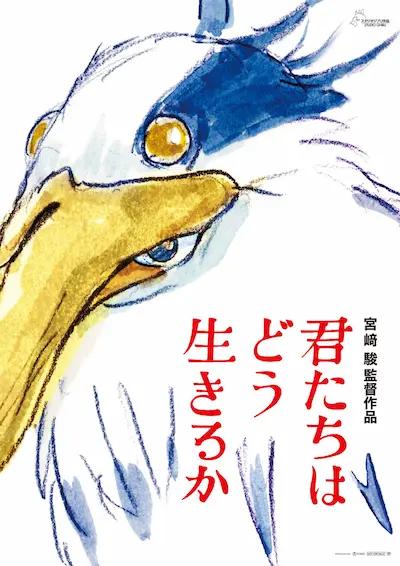
In English, the film is titled The Boy and the Heron, focusing directly on the main characters and their fantasy adventure. In Japanese, however, the original title is 君たちはどう生きるか (Kimitachi wa Dō Ikiru ka).
The title translates literally to "How Do You Live?"
What gives the original title its profound weight is its connection to Japanese literature and philosophy. The name is taken directly from Genzaburo Yoshino's famous 1937 novel of the same title, which plays a pivotal role within the film itself. While the Western title advertises a fairy-tale adventure about a boy and a mysterious bird, the Japanese title directly poses a confronting, philosophical question to the audience: "In a world full of conflict, grief, and change, how will you choose to live?"
The word 君たち (kimitachi) is a plural form of "you" used by an older person or mentor addressing younger people. By using kimitachi, Hayao Miyazaki is directly addressing the younger generation—and the audience—leaving them with a personal, guiding message for the future.
10. Pom Poko - 平成たぬき合戦ぽんぽこ

The full Japanese title of pom poko is 平成狸合戦ぽんぽこ(heisei tanuki-gassen ponpoko). Every here needs explanation.
◆ 平成 (heisei) – The Heisei Era (1989 ~ 2019)
◆ 狸 (tanuki) – Racoon Dog (looks like a racoon but closer to a fox)
◆ 合戦 (gassen) – Battle
◆ ぽんぽこ (ponpoko) – The sound made from hand drums
Ok, so in more detail, Japan has a special dating system where they break up years based on who the current Emperor is. The Heisei Era was named after the last Emperor.
The word ponpoko is an onomatopoeia. The anime features the tanuki with round bellies. So this sound is representative of the tanuki using their belly like a drum. A tanuki is a real animal but in Japanese folklore, these animals are stylized as sort of mischievous spirits of the wild.
11. Whisper of the Heart - 耳をすばせば

Whisper of the Heart, released in 1995 by Studio Ghibli, in Japanese is 耳を澄ませば (mimi o sumaseba). This is a phrase made up of the noun 耳(mimi) and the verb 澄ます(sumasu).
Mimi is easy, this just means ear. Sumasu though can mean to purify, or clear something out. When you translate this from Japanese to English you get something close to clean out your ears. the expression though mimi o sumasu means to listen carefully.
12. When Marnie Was There - 思い出のマーニー

思い出のマーニー (Omoide no Mānī) is the Japanese title for When Marnie Was There. マーニー is simply Marnie and 思い出 is memory or memories. So, the title in Japanese would be close to memories of Marnie or even remembering Marnie.
13. Arrietty - 仮りぐらしのアリエッティ

The Secret World of Arriety or Arriety the Borrower is titled 借りぐらしのアリエッティ(Kari-gurashi no Arietti) in Japanese.
借りぐらし is hard to translate. It is from the two verbs, 借りる(kariru) and 暮らす(kurasu). 借りる meaning to borrow and 暮らす meaning to live as in live one’s daily life. So, this could mean making one’s living by borrowing things. I think though that the word is closer to freeloading or living in a place for free. But, 借りぐらし does not have as strong of a negative feeling to it as a freeloader.
14. The Cat Returns - 猫の恩返し

The titles of the English version and the Japanese version of this film are completely different. The Cat Returns is called 猫の恩返し(neko no ongaeshi).
猫 is the word for cat in Japanese so that is the same. 恩返し means paying someone back, repaying an obligation , or doing something nice for someone that did something for you.
So, this would translate to something like the cat’s payback. In English, that sounds like the cat is trying to take revenge, but the word 恩返し is only meant for paying back good deeds. I am guessing Studio Ghibli had trouble trying to find an appropriate translation for the film.
15. Tales from Earthsea - ゲド戦記

ゲド戦記 (gedo senki) is the Japanese title for Tales from Earthsea. Here again the title is completely different in both languages. ゲド is just the name for the character Ged. 戦記 is a word meaning records of battle or records of war.
Resources
Watch Ghibli in Japanese on Amazon
- Whisper of the Heart
- When Marnie was there
- Arrietty
- Spirited Away
- The Cat Returns
- Tales from Earthsea
- Pom Poko
- Castle in the Sky
- My Neighbor Totoro
- Ponyo