Onimusha: Way of the Sword — Musashi, Oni, and Kyoto's Hidden Lore
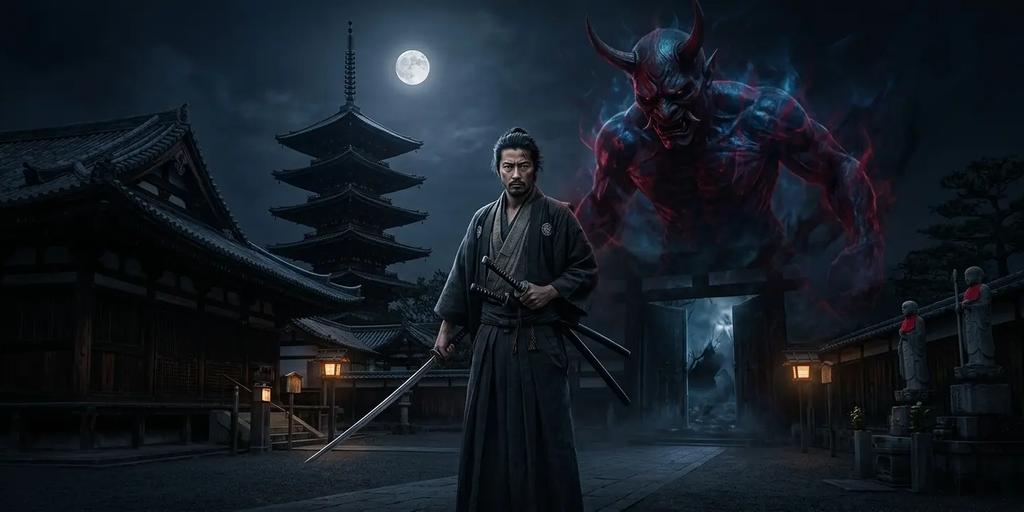
When you hear the word Onimusha, you probably think of a cool samurai game loaded with demons. But if you break the Japanese name down, it’s actually made of two simple words: oni (鬼), meaning demon or ogre, and musha (武者), meaning warrior. Put them together, and you get a "demon-warrior"—someone who doesn't just fight monsters, but actually borrows their terrifying power.
That wordplay is the perfect starting point for Onimusha: Way of the Sword (鬼武者 Way of the Sword), Capcom’s long-awaited return to the iconic franchise.
While the main title grabs you with high-octane samurai action, the game actually runs on something much deeper: real Japanese history, ancient folklore, and Buddhist ideas about life and death hidden in the streets of Kyoto.
Whether you're a long-time fan of the series or just love Japanese culture, here is the real-world history and folklore behind Onimusha: Way of the Sword.
Table of Contents
Miyamoto Musashi: The Man Behind the Legend
The hero of the game, Miyamoto Musashi, isn't an invented game character—he was a very real, legendary swordsman who lived from around 1584 to 1645.
Most people know Musashi as the master duelist who survived over 60 life-or-death fights without a single defeat—a milestone Capcom highlights in their interview on how Capcom created its own version of legendary samurai Miyamoto Musashi . He’s also famous for creating Niten Ichi-ryū (二天一流), the iconic two-sword fighting style.
Miyamoto Musashi (宮本武蔵)
- Born: c. 1584 – Died: 1645
- Claim to Fame: Undefeated in 60+ duels
- Legacy: Founder of Niten Ichi-ryū (Two-Sword Style)
- Cultural Output: The Book of Five Rings (五輪書 gorin-no-sho), Ink Paintings
But there’s another side to Musashi that textbooks often skip: he was also an accomplished artist, sculptor, and philosopher.
In his later years, Musashi put down his steel to paint detailed ink artwork—like his famous depiction of a wild quail, Uzura-zu (鶉図)—and write The Book of Five Rings (Gorin no Sho / 五輪書). For a man who spent his youth in bloody combat, his transition into quiet self-reflection is fascinating.
In Way of the Sword, you aren't just playing as a generic, angry samurai. You’re stepping into the sandals of a complex historical figure whose real life was a balance between brute force and deep discipline.
What is an Oni, Really?
If Musashi provides the human heart of the game, the oni (鬼) provides its atmosphere.
English translations usually call an oni a "demon," "ogre," or "devil." But that doesn't quite capture what an oni is in Japanese culture. They aren't simply pure evil in the Western Christian sense. They have a distinct look, a specific color language, and a unique place in Japanese folklore. For a deeper look into these complex creatures, see Tokyo Weekender's guide to oni in Japanese folklore .
The Anatomy and Colors of an Oni
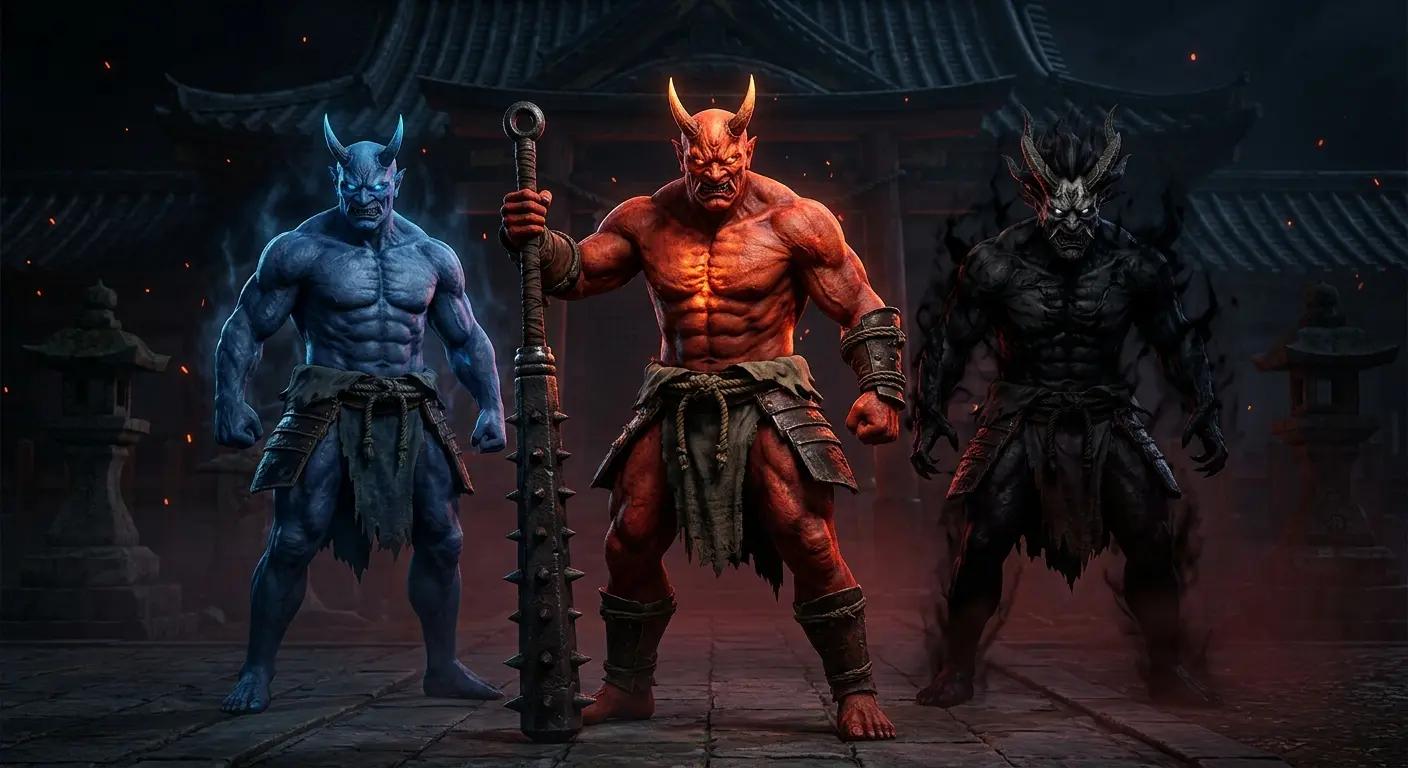
Visually, most people picture an oni with horns, sharp fangs, a tiger-skin loincloth, and a massive spiked iron club called a kanabō (金棒). You might even know the famous Japanese idiom:
Literal: Giving an iron club to an oni.
Meaning: Making someone who is already strong completely invincible.
What makes oni really interesting is their color coding in folklore:
- Red Oni (赤鬼 aka-oni): Symbolizes intense anger, greed, and raw aggression.
- Blue Oni (青鬼 ao-oni): Represents cold anger, impatience, and evil intent.
- Black Oni (黒鬼 kuro-oni): Associated with death, darkness, and doubt.
These colors aren't just for show. In Japanese Buddhist traditions, the different colors represent human flaws or spiritual hurdles that people must overcome.
From Spirits to Underworld Wardens
The kanji for oni, 鬼, originally referred to spirits of the dead. Some scholars link the word oni to 隠 (on), meaning "hidden" or "unseen"—invisible forces that cause bad luck or illness. Historically, the image of the oni was also used to mark societal outsiders, as discussed in "Oni" and Outsiders in Japanese Cultural History on Nippon.com.
In Buddhist cosmology, oni aren't just wild monsters. They also act as wardens in hell, punishing evil souls. This gives the oni a strange dual nature: they are dangerous monsters, but they also serve a purpose in cosmic justice.
When Musashi uses his oni gauntlet to unleash an Oni Awakening in Way of the Sword, or uses weapons like the Earth-Shaker or Firebird Flute (鬼武装 oni-busou), the game taps right into this ancient idea: harnessing a dark, hidden power to achieve a greater purpose.
Genma: History Rewritten by Monsters
While oni come straight from real folklore, the Genma (幻魔) are a completely original creation by Capcom.
Throughout the Onimusha series, the Genma act as a corrupting dark force that brings real historical figures back from the dead—most famously Oda Nobunaga in the original trilogy and Toyotomi Hideyoshi in Onimusha: Dawn of Dreams.
In Way of the Sword, this dark force takes the form of Malice, a supernatural corruption that tears open dimensional rifts across Kyoto.
What makes the Genma so clever as game villains is how they blend with real history. By taking real political figures who died violent deaths and resurrecting them as monsters, the series builds its own dark mythology right on top of Japan's historical records.
Kyoto: The Gateway to the Underworld
The setting for Way of the Sword isn't just a generic "old Japan" background. It is early 1600s Kyoto—a city recovering from a century of civil war.
Early Edo Kyoto Dynamics
- Politics: Under strict Tokugawa rule, but home to the Imperial Court
- Social: Displaced samurai (ronin) searching for purpose
- Spiritual: Temples marking the boundary between life and death
After the fall of the Toyotomi clan in 1615, Tokugawa Ieyasu established firm control over Japan. Kyoto was peaceful on the surface, but filled with displaced samurai (ronin), powerful Buddhist temples, and political intrigue.
Rokudo Chinno-ji and the Six Realms
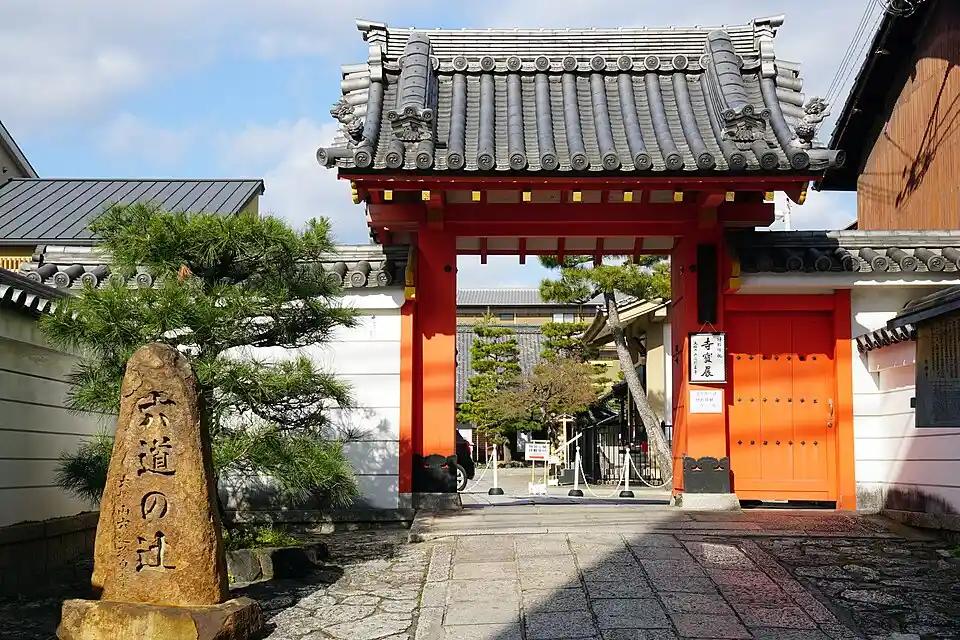
One of the key locations featured in the game's setting is based on a real, famous temple in Kyoto’s Higashiyama district: Rokudo Chinno-ji (六道珍皇寺). In local legend, this temple sits right on the border between the world of the living and the world of the dead. The name Rokudō (六道) refers to the Six Realms of Rebirth in Buddhist cosmology:
- Hell Realm (地獄道 Jigokudō)
- Hungry Ghost Realm (餓鬼道 Gakidō)
- Animal Realm (畜生道 Chikushodō)
- Asura / Fighting Spirit Realm (修羅道 Shuradō)
- Human Realm (人間道 Ningendō)
- Heavenly Realm (天道 Tendō)3
There is even a real Heian-period legend about a scholar named Ono no Takamura, who was said to climb down a well inside Rokudo Chinno-ji every night to work as a judge in the underworld before returning to court by day.
When you explore the temple grounds in the game, you are stepping straight into a piece of real Kyoto urban legend that people have talked about for over a thousand years.
The Philosophy of the Fight: Understanding "Issen"
Combat in Onimusha has always been famous for the Issen (一閃) mechanic.
In Japanese, Issen literally means "a flash" or "a stroke of light." In gameplay terms, it’s a counterattack triggered by striking an enemy at the exact moment right before their hit lands.
In Way of the Sword, Capcom expanded this system with Break Issen, making it more accessible in dynamic combat while giving players the satisfying precision of slicing through enemies with exact timing—a mechanics overhaul detailed in Game Informer's feature on how Capcom updated Onimusha's combat .
This isn't just a fun gameplay mechanic; it directly reflects the real philosophy of Japanese swordsmanship that Musashi wrote about:
- Reading the Opponent: Watching for subtle movements before an attack starts.
- Patience: Remaining calm under pressure instead of mindlessly swinging your sword.
- One Decisive Strike: Ending a fight in a single, clean moment.
The Issen mechanic turns Musashi’s real-world sword philosophy into something you can actually feel through your controller.
Why This Mix of History and Folklore Works
Onimusha: Way of the Sword isn't just taking historical names and slapping them onto a standard fantasy action game.
What makes it special is how these four elements—Musashi's real life, the ancient lore of the oni, Capcom's fictional Genma, and the spiritual geography of Kyoto—actually complement each other. The game uses real history to anchor the story in reality, while using folklore and Buddhist cosmology to build a dark, atmospheric world.
What I love most about how Capcom designed this world is how naturally all these elements fit together. Even if you just look at the lore, turning Kyoto’s legends into a dark fantasy map isn't just a cool gimmick—it’s a direct bridge to real Japanese folklore. It’s a great example of how ancient beliefs still fuel modern pop culture, whether you're playing the game or just digging into the history behind it.
Want to Explore Deeper?
If learning about the history behind Onimusha got you curious about Japanese culture and language, check out these related guides on Japanese Universe:
- Yokai – Japanese Monsters : Learn the difference between Oni, Tengu, and other mythical creatures.
- Akuma – 4 Japanese Words for Devil : Discover how words like Akuma, Oni, and Yokai differ in natural Japanese.
- Setsubun – What is Setsubun? : The annual spring festival where Japanese families throw beans to chase away oni.
- Jizo Statues in Japan : The peaceful stone guardians that stand at boundaries between worlds.