節分 What is Setsubun?
Setsubun is a day in Japan that signals when winter ends and spring starts. This year it takes place on February 2nd.
Table of Contents
What does Setsubun mean?
Setsubun is written 節分 in Japanese. This word is only used when referring to this day in Japanese but can roughly translate to season separation, seasonal dividing, or something similar to that. Basically, the idea is that the season is going to change. We get that translation by looked at each kanji character separately.
節
This kanji character 節(setsu) means knot, node, joint, or some sort of separation. Japanese also uses it though to refer to seasons. Hence, the words 節分.
分
The 分(hun or bun) character refers to minutes in Japanese. But, it can also mean, a part of something. Finally, in words such as 節分, it means separating or division.
豆撒き (mamemaki)
豆撒まめまき (mamemaki) is the main custom of Setsubun. This is what people in Japan think of when talking about Setsubun.
Setsubun Festival in Kyoto
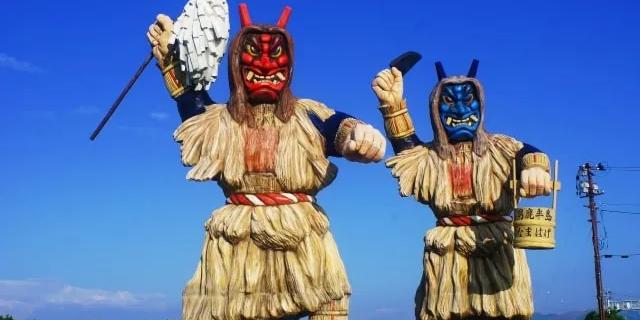
Mamemaki is the custom of throwing dry soybeans at demons. Or, as they are known in Japanese, oni. In Japanese oni is written as 鬼.

豆まめ means beans. 撒まき means to scatter something. So together, 豆撒まめまき(Mamemaki) means throwing beans or more closely, scattering beans. Basically, someone will wear a mask of an Oni and people will throw beans at them while chanting:
「鬼は外、福は内」 ”oni wa soto, fuku wa uchi”
鬼は外、福は内
This chant literally, means,
out with the demons, in with the fortune.
The phrase is representing leaving behind what is bad and only letting in what is good. 鬼(Oni) is the same word we already mentioned above. Finally, 福(fuku) means fortune.