やばい (yabai/yabe) The Meaning of this Risky, Terrible but Cool Word in Japanese

The meaning of やばい (yabai) or やべー (yabe) in Japanese can be translated into many words such as risky, awful, dangerous, or terrible. It is a widely used slang term with diverse meanings in modern Japanese, ranging from total panic to high praise.
Table of Contents
Yabe is short for Yabai
Yabe(やべえ、やべっ、やべー)is a shortened form of the Japanese word やばい(yabai). Often when speaking in slang, Japanese words containing an "ai"(あい)sound shift to a long "e"(えー)sound. So if you want to sound slightly less informal, you could say やばい, though both are still very casual slang.
Keep in mind that やべー sounds a bit rougher and more masculine than やばい. Because both are very informal, you should avoid using them with teachers, bosses, or in formal situations.
The origins of the word やばい are not entirely clear. Common theories suggest it may have originated during the Edo period from Edo-era slang related to dangerous situations or illegal activities, or as a variation of Japanese words for dangerous, such as 危ない (abunai) or あやうい (ayaui).
The Secret Criminal Origins of "Yabai" in the Edo Period
The story behind "yabai" goes back over 200 years to the Edo period (1603–1867), where it actually began as secret slang among thieves, gamblers, and criminals.
During this era, the word "yaba" was used to refer to prison wardens, jailhouses, or dangerous places associated with illegal activity. When someone shouted "Yabai!", it was a desperate warning meaning "The guards are coming!" or "We’re in trouble!"
There are a few theories about how "yaba" came to be:
- It may have come from "yakuba" (厄場), meaning a place of misfortune or trouble.
- It might refer to "yaba" (矢場), public archery ranges that were often shady gathering spots for illegal gambling and crime.
Either way, the phrase was originally 100% negative and strictly used in high-risk, dangerous situations.
Dangerous or Risky Situations

If you want to say that something or someone looks dangerous, risky, or suspicious, you can use やばい:
That bridge looks suspicious
You should watch out for that guy
While あぶない (abunai) is the standard word for "dangerous," やばい often overlaps with it in casual speech.

Inconvenient or Unwanted Results
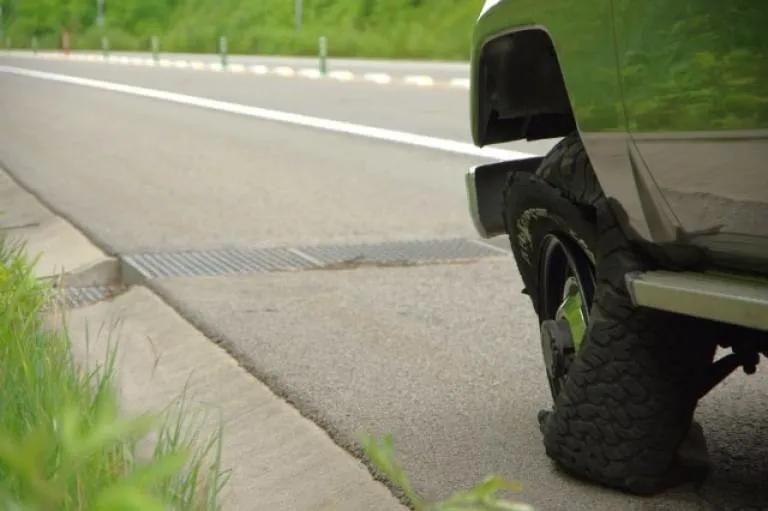
In Japanese, yabe or yabai can be used freely whenever you run into an unfortunate event or feel panicked.
For example, if you wake up late:
Oh no! I am going to be late!
Or if you get a flat tire:
I got a flat, uh-oh, what should I do?
Or if it keeps raining heavily:
What’s up with this rain
Here, yabai or yabe can be translated in many ways depending on the context, such as "oh shoot," "bad," "too much," or "extreme."
Yabe or Yabai also has Positive Meanings

When you want to express strong positive emotion, you can also use yabe or yabai. It works similarly to how people use "that’s sick" or "that’s crazy" in English to describe something awesome.
For example, if you are eating really delicious food, you could say:
Wow. This is so tasty!
Real-life Examples from Twitter
やべえ4時だ
— 冷奴えいとく (@A_to_ku) October 11, 2020
やべえ、バット買った日に折れたわ
— 正岡子規bot (@MasaokashikiBot) October 11, 2020
Understanding "Yabai" in Context
As you can see, "yabai" has traveled a long way from its 18th-century roots as criminal slang to become one of the most versatile expressions in modern Japanese. Whether it’s used to signal real danger or express utter excitement, it reflects how flexible and dynamic the language can be.
While it’s widely used in casual settings among friends, remember that it remains an informal expression, so it’s best avoided in business or formal situations.
Next time you encounter something surprising, amazing, or overwhelming in Japan, keep "yabai" in mind—it might just be the exact word you need!
Resources
Categories
Related Articles

ボケ – The Japanese Meaning of Bokeh
面倒くさい! Meaning of mendokusai and How to use Correctly

w in Japanese and other ways to Laugh Online