ボケ – The Japanese Meaning of Bokeh
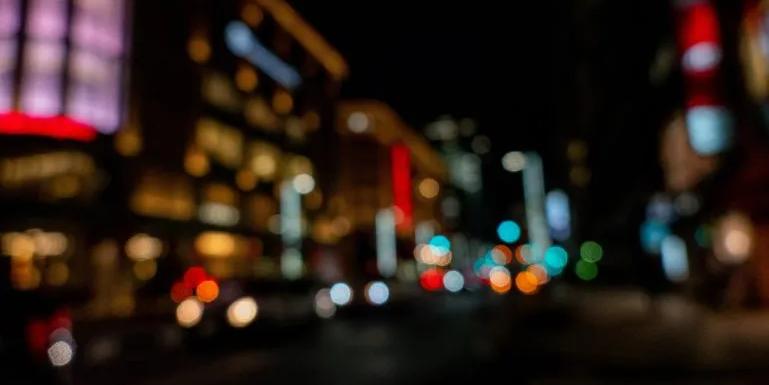
In English, bokeh is a word to represent a style of photography where things are out of focus. This word originally though, came from Japanese. The Japanese meaning of bokeh compared to English represents more concepts. Let’s take a look at them.
Table of Contents
The Japanese Meaning of Bokeh
The word bokeh comes from the verb bokeru in Japanese. The original meaning for this verb was to go senile, which we will discuss in a moment.
In Japanese, it can be written 呆ける, 惚ける or just ボケる If we want to express the word as a noun though we lose the る and it becomes the shorter ボケor ぼけ. It was this noun form that was borrowed into English when talking about photos. But, as we will see below that is not all that ボケ stands for.
ボケる means to not be in the Right Mind
Originally the word ボケる was and still is used for people going senile when they get older. Or, it can even mean for someone to get dementia.
ボケる or ボケ does not always mean a serious mental issue. It can mean just to be out of the right mind or to not be thinking clearly. For example, there are two common compound words using ボケ below:
- 時差ぼけ – Jetlag
- 寝ぼけ – Being half-asleep
When we are jetlagged we are tired and not thinking clearly. The same goes for being half-asleep.
Bokeh, an Expression of Art or just Blurry?
Here is where we can see how ボケ became bokeh. Other than ボケ meaning someone is out of their mind, it can also mean that your camera is out of focus. The word ピンボケ means out of focus or blurry and is the source of the English word Bokeh. ピンぼけ is a shorter form of the sentence:
The focus is blurry
So, as you can see at one point during the transfer between languages Bokeh took on a more artistic and specific meaning.
ボケ is Stupid
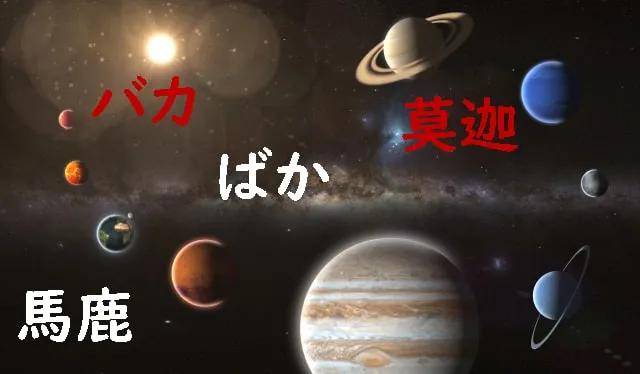
Finally, we could not end this post without mentioning this. ボケ is also used to call people stupid. It is used mostly in western Japan. The word バカ which sounds similar but has a totally different source is used all over Japan.
So you should now have a clearer idea of how ボケ works in Japanese. If you’re curious about other ways Japanese expresses subtlety, tone, and non-verbal cues, especially in digital spaces I have an article below on Emoji. These digital pictograms originated and developed in Japan to the international language they are today.
Japanese Emoji have become an international Language. In high-context Japanese culture, people rare...Japanese Universe
I also have plenty of other articles on this site exploring the nuances of Japanese language and culture. Good luck!