行く vs 来る – The Difference between Iku and Kuru

The two Japanese words 行く and 来る basically mean go and come in Japanese. In most situations, there is no trouble figuring out which to use. However, in English, there are times when you may say come when in Japanese you would say 行く or go. To understand how to use these verbs in the right situation we will need to look at what they mean and the difference between them.
Table of Contents
What does 行く and 来る mean?
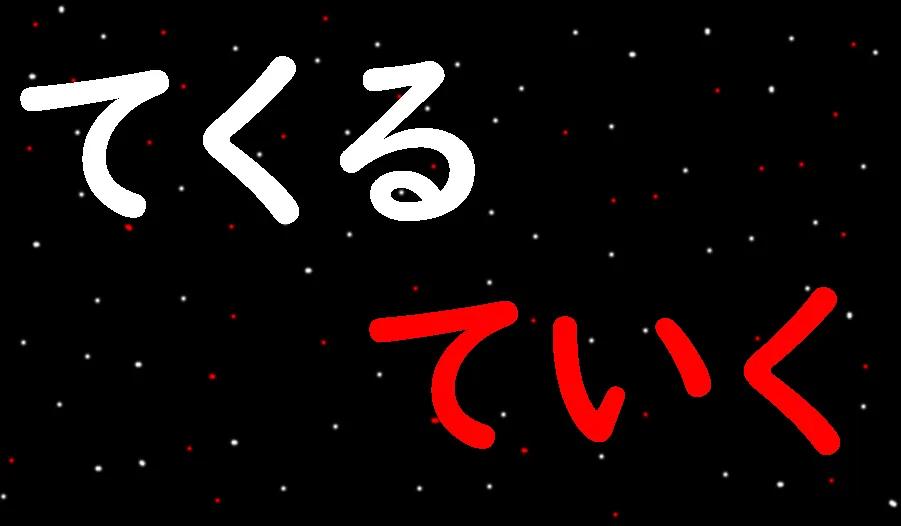
行く means moving away from the speaker and 来る means moving toward the speaker. That is the most basic way to think of these verbs. So, whenever you are speaking in Japanese think about the situation and where you are at in relation to whatever is moving.
What is the Difference between 行くvs 来る?
For the most part, when we are talking about a situation where the speaker is involved there is not an issue. However, where the confusion can arise is when we talk about other people going to places where the speaker is not located. Let’s take a look at a few different situations:
A Third-Person Heading toward the Listener
If you are talking with someone about someone else going to where the listener is, then you have a choice. You can either pick 行く or 来る. Depending on when you pick through the feeling behind the sentence changes.
Tom has not gone to the movie theater yet?
Tom has not come to the movie theater yet?
Both of these sentences mean that Tom is not yet at the movie theater. However, if we use 来る then we are putting our point of reference on the listener. That means we are psychologically putting our self in the movie theater. On the other hand, by using 行く it means we are putting ourselves away from the movie theater.
A Third-Person Heading in the direction of the Speaker
Let’s think of another example. Pretend that you are in Osaka and a friend, Taro, is leaving Tokyo heading for Kyoto. Now, let’s imagine you are asking Taro when he is leaving.
Taro, when are you coming to Kyoto?
Taro, when are you going to Kyoto?
Again like the previous example with the movie theater you are not in the place where Taro is heading. However, Kyoto is right next to Osaka. So depending on how you see the two places in relation to each other will determine which verb you choose. If you say 来る you would be seeing Osaka and Kyoto as two cities in western Japan in the same group. On the other hand, if you say 行く you are distancing Osaka from Kyoto.