希望 – How to use these 4 Japanese Words for Hope and the Difference between them

The word hope in English can mean a few different things. For example, it could be a feeling of desire, expectation or even a belief. It may also refer to putting one’s faith into something or someone.
Since words in English can rarely be translated into an exact match in Japanese, there are a few different Japanese words for hope. They are 望み, 希望, 期待, 見込. Let’s take a look at them one by one.
Table of Contents
望み
望み is a noun from the verb 望む. This verb means to overlook or see something off in the distance. That is, something physical like scenery.
夜景を望む高層ビル
A high-rise building where you can overlook the night view
This word does not stop there. 望み means also, desire, wish, anticipate, and of course hope. So, you can think of hoping for something like looking off into the distance toward somewhere you want to reach.
希望

希望 is the second and most common word for hope. If you look at this word it contains the same kanji for hope as the last word, 望み. There is a difference between 希望 and 望み though. I would say that 希望 is closer to the English word of hope. It refers more to feelings for less concrete things or concepts. On the other hand, 望み has a stronger meaning of wishing, or desire and has more of a feeling of wanting toward tangible things. No, that is not exclusive though. There is quite a bit of overlap between the two words.
希望に満ちている
to be filled with hope
望みを叶える
make a wish come true
期待
期待 is used for having an expectation, strong desire or hope for something. For example, when 期待 is used with a person, it can mean that you are counting on that person for some hopeful outcome. Kind of like you are putting your faith in them.
彼に期待している
I am expecting something from him. (putting my hope in)
見込み
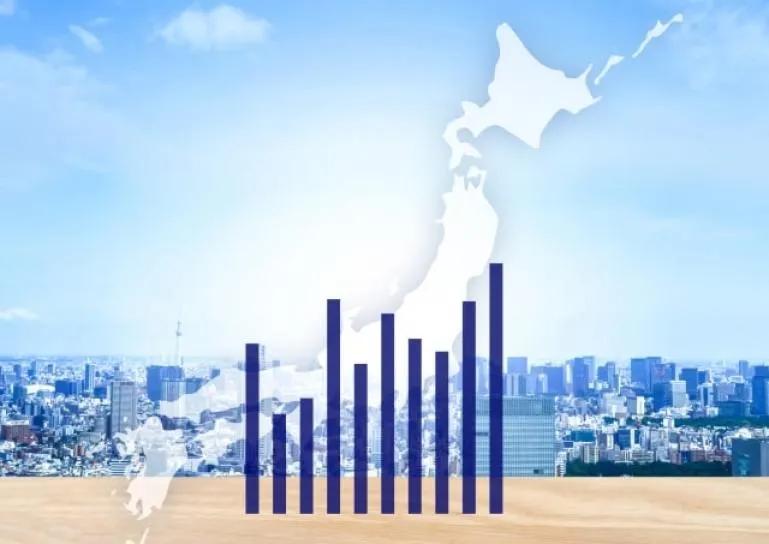
見込み can mean something is promising or hopeful. It shows up in phrases though also to indicate a forecast. So, it has a strong meaning of probability. The difference here between 期待 and 見込み is that 期待 is more of a desire for something while 見込み is more of a guess based on facts or observations.
見込みのある人
a hopeful person
明日は晴れの見込みです
the weather is expected to clear up tomorrow
Resources
Categories
Related Articles

悪魔 – 4 Japanese words for Devil and the Difference between them
願い事 – 3 Ways to Say Wish in Japanese and the Difference Between them

寒い vs 冷たい – The Difference between the 2 Words for Cold