雨 – Words for Rain in Japanese: Subtle Nuances Beyond Ame
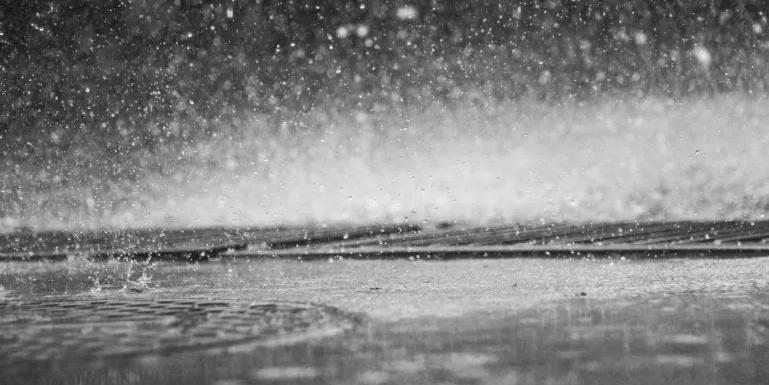
If you’ve been studying Japanese for a while, you probably learned the standard word for rain very early on: 雨 (ame).
It’s a great baseline word. But once you start watching Japanese anime, listening to J-pop, or reading news, you quickly realize something: native speakers rarely stop at ame. Instead, you’ll encounter a dozen different words describing the exact character, season, or mood of the rainfall.
| Word | Reading | Meaning / Nuance | Season / Context |
|---|---|---|---|
| 小雨 | Kosame | Light rain / Drizzle | Any season (casual) |
| 霧雨 | Kirisame | Fine, mist-like drizzle | Any season |
| 時雨 | Shigure | Sudden, passing cold shower | Late Autumn to Early Winter |
| 五月雨 | Samidare | Long, continuous early summer rain | Early Summer (also used in business emails!) |
| 大雨 | Ooame | Heavy rain / Downpour | Any season (weather warnings) |
| 氷雨 | Hisame | Freezing rain / Chilly sleet | Winter |
Why so many? Historically, Japan was a farming society built around seasonal rice cultivation—meaning rain was a vital lifeline that required precise observation. Over centuries, poets and everyday people turned these subtle weather shifts into expressive terms that are still woven into modern life.
In this guide, we’ll look at the most essential Japanese words for rain, how their Kanji give away their subtle meanings, and how to use them naturally in everyday conversation.
Table of Contents
The Core Baseline: 雨 (Ame)
At its simplest, rain is 雨 (ame). When you just want to state the bare fact that water is falling from the sky without any dramatic flair, this is the word you use.
(Ame ga futte imasu.)
It is raining.
Pronunciation Note:
When ame attaches to the end of another word, the sound often shifts from ame to same (such as kosame or kirisame). This natural sound change—called ren'on—makes compound words smoother to pronounce.
Soft & Light Rains: Do You Need an Umbrella?
Japanese makes a clear distinction between a light sprinkle and moisture that hangs in the air like fog.
小雨 (Kosame) — Light Rain / Drizzle
- Kanji breakdown: 小 (small) + 雨 (rain)
Kosame is your everyday drizzle. Water drops are clearly falling, but it’s light enough that you might just pull up a hood instead of reaching for a full umbrella.
(Kosame ga furi hajimemashita.)
It started drizzling.
霧雨 (Kirisame) — Fine Drizzle / Misty Rain
- Kanji breakdown: 霧 (fog/mist) + 雨 (rain)
Kirisame describes droplets so microscopic they float in the air like heavy mist. You might not feel individual raindrops, but walk outside for five minutes and your clothes will absorb a steady sheen of moisture.
Seasonal Rains & Modern Nuances
Rain in Japanese is deeply tied to specific times of the year—and sometimes, even corporate offices!
時雨 (Shigure) — Sudden Cold Showers (Late Autumn to Early Winter)
- Kanji breakdown: 時 (time/hour/season) + 雨 (rain)
Literally translates to "time rain" or "seasonal rain." Unlike regular compounds, shigure is a special character reading (jukujikun) where the kanji are chosen for their combined meaning rather than their individual sounds. It refers to brief, sudden showers that pass quickly in late autumn to early winter. In traditional poetry, shigure carries a nostalgic, slightly melancholic feel, signaling the sudden shift into winter.
五月雨 (Samidare) — Continuous Early Summer Rain
- Kanji breakdown: 五月 (May in the traditional calendar) + 雨 (rain)
Samidare literally uses the characters for May (五月) and rain (雨). It stems from the old lunar calendar, referring to the heavy, continuous early summer rainy season (now usually called 梅雨 / tsuyu).
The Business Use: 五月雨式に(Samidareshiki ni)
Here is a great example of how seasonal rain bleeds into modern culture. In Japanese business emails, people often use the phrase 五月雨式に (samidareshiki ni), meaning to do something "in continuous, scattered waves"—just like early summer rain.
If you have to send multiple follow-up emails or deliver files one by one, you can write:
(Samidareshiki no gorenraku de shitsurei itashimasu.)
"Apologies for sending multiple follow-up messages separately."
It’s an extremely polite, authentic phrase that will immediately impress any Japanese coworker or client.
Heavy & Freezing Rains
大雨 (Ooame) — Heavy Rain / Downpour
- Kanji breakdown: 大 (big) + 雨 (rain)
Used for severe weather forecasts, torrential downpours, and official rain warnings.
氷雨 (Hisame) — Freezing Rain / Chilly Sleet
- Kanji breakdown: 氷 (ice) + 雨 (rain)
Literally "ice rain," hisame describes the biting, freezing rain of late autumn or winter, or sudden sleet that stings your face as you walk outside.
Real-World Dialogues
Here is how these words play out in natural everyday conversations:
Scenario 1: Deciding on an umbrella
(Soto, ame futteru?)
Is it raining outside?
B: うん、でも小雨だから折りたたみ傘で大丈夫だよ。
(Un, demo kosame dakara oritatamigasa de daijoubu dayo.)
Yeah, but it’s just drizzling, so a folding umbrella is fine.
Scenario 2: Commenting on sudden weather
(Kyuu ni furidashite kitane!)
It suddenly started raining!
B: 秋の時雨だね。すぐ止むと思うよ。
(Aki no shigure dane. Sugu yamu to omou yo.)
That’s typical late-autumn shigure. It’ll probably stop soon.
Key Takeaways for Learners
- Look at the Kanji: Breaking down compound words—like 大 (big) in Ooame or 氷 (ice) in Hisame—makes remembering new vocabulary much easier.
- Upgrade your business emails: Try using Samidareshiki ni when sending piecemeal updates to sound remarkably fluent.
- Match the umbrella to the rain: Use Kosame when you can get away with a hood, and Kirisame when the air itself feels damp.
Next time you hear rain outside, skip the basic ame ga futte imasu and try pinpointing the exact Japanese word for the weather above you!
Related Articles
寒い vs 冷たい – The Difference between the 2 Words for Cold

July in Japan 七月 – Japanese Traditions for Surviving the Heat and Humidity

空 – What does Sora in Japanese mean?