Japanese Universe

Exploring the fascinating world of Japanese language, culture, and technology. Discover insights for learners and enthusiasts alike.

Latest Articles

Discover our newest articles and explore the beauty of Japanese language and culture together.

Cinematic photo for Japanese New Year celebrating the Year of the Horse, featuring a decorated horse with Mt. Fuji and a sunrise in the background.

午年 - 2026: The Year of the Horse and this year is the special one

Discover the deep cultural significance of the Year of the Horse (Uma-doshi) in Japan. From personality traits and the surprising kanji origins of "noon" to the controversial Hinoe Uma superstition, learn how the Japanese Zodiac shapes language and history.
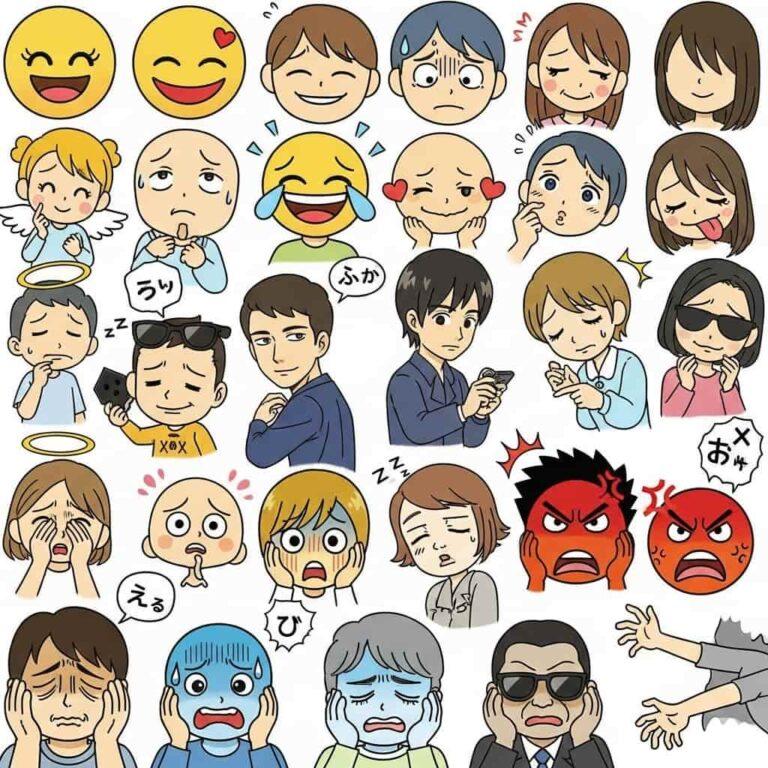

columns of anime style illustrations representing common emoji for example smiling, laughing, angry and crying

絵文字 – The Japanese Meaning Behind Your Emoji’s Facial Expressions

The global emojis may seem universal, but their true origines and deepest meanings often lie hidden within Japanese cultural expressions, and from popular media like Manga and Anime. You might think you know emojis, but in Japan, these tiny icons carry a universe of cultural meaning that goes far beyond a simple happy or sad face. Born from a need to restore non-verbal cues in digital communication, and just for a fun way to allow Japanese people to make their texts more unique. Get ready to uncover the fascinating origins and the rich, often surprising, nuances behind the emoji faces you use every day – because in Japan, a simple smile can mean so much more.

A person holding a smartphone and Emojis

The History of Emoji: Japan Gave the World a New Language

Emoji, derived from the Japanese words 絵 (e: picture) and 文字 (moji: character), are pictographic symbols used to convey emotions, actions, and ideas in digital communication. Their origins lie in Japan’s high-context culture, as a way to bring back non-verbal cues lost in text. Prior to Emoji Japan had Kaomoji, meaning face characters, such as (^_^) for happiness or (T_T) for sadness, created from ASCII characters. These Kaomoji developed along with Japan’s mobile phone culture in the 1990s through pagers and SMS. This set the stage for Shigetaka Kurita’s 1999 creation of the first modern emoji set for NTT Docomo, to eventually Unicode Consortium in 2010, transforming digital communication worldwide.

A composition of Japanese Emoji coming to life

Japanese Emoji (絵文字)👺 – The Hidden Culture in your Keyboard

Japanese Emoji have become an international Language. In high-context Japanese culture, people rarely express emotions and intentions explicitly. However, Emojis help compensate by adding clarity and non-verbal elements to digital conversations. So it’s no surprise that this is where emojis were born. First, what does emoji mean? While it sounds like the English word “emoticon,” the two are not related. Instead, Emoji comes from 絵文字 (emoji, literally picture letters). Japan created these images to fill in the non-verbal cues missing from text.

an illustration of a person speaking happy and confidently

Mastering Japanese Verb Intonation with Minimal Pairs

Japanese pitch accent helps distinguish words through pitch variations, but different people debate how important it really is. Some suggest learning it early in order to prevent bad habits, recommending “shadowing” to mimic native speakers and improve pronunciation and listening. Others believe that since many natives understand learners despite pitch mistakes, it is not so important. While opinions vary, most agree that awareness enhances comprehension and speech naturalness, making listening and repetition valuable for fluency. My opinion is that it is very important, and you definitely should learn it from the beginning. Preferably through audio, but even through text is fine. The reason for this opinion though is because I learned Japanese without Pitch-Accent, and had trouble going back to learn it later on. Honestly though, you can become fluent without it, and it is unlikely that you will become fluent without any sort of intuitive sense of Pitch-Accent. But, it is one of those things about Japanese that will greatly help those people you are talking to, in order to understand what you are saying comfortably. So, getting it right from the beginning will make everyone happy.

記事のメイン画像

巳年 – 2025: The Year of the Snake

Welcome to the Year of the Snake, 2025! The Dragon’s reign in 2024 is coming to a close, and our beloved serpent friend is slithering to center stage. Even outs...